Free UTM Link Builder – Tag URLs for Analytics, No Sign-Up
Free UTM Builder: Tag Campaign URLs Online — No Sign-Up, Nothing Uploaded
This free UTM builder runs 100% in your browser: add utm_source, utm_medium, utm_campaign, utm_term and utm_content to any URL and watch the tagged link build itself live, correctly encoded. No account, no login, no upload — your links and saved naming presets never leave this device. If you were looking for how to create a UTM link for free, this page is both the tool and the tutorial.
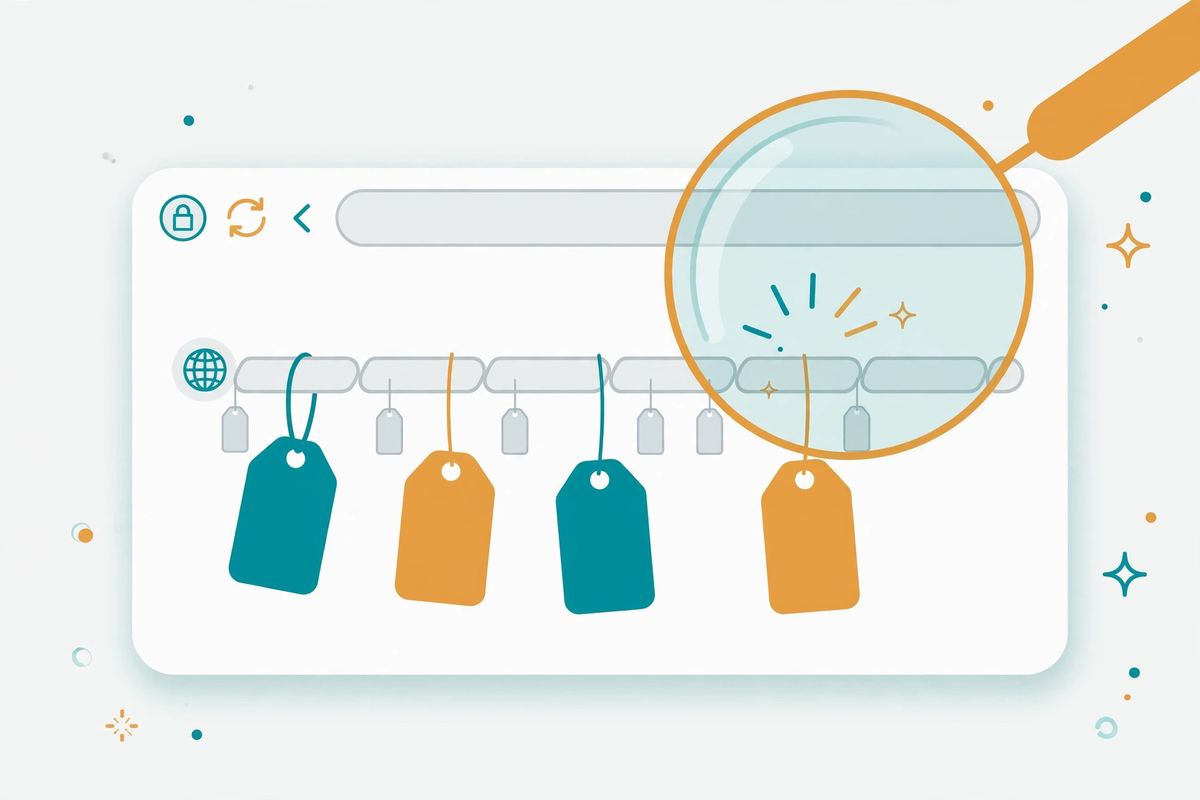
How to Create a UTM Link for Free (In About 30 Seconds)
A UTM link builder does one job: it glues small labels onto a normal URL so your analytics can tell where each visitor came from. Paste the destination URL (with https://), type utm_source (where the click comes from: newsletter, instagram, google), utm_medium (the kind of channel: email, social, cpc) and utm_campaign (the specific push: spring_sale, october_tips) — and the tagged link appears live below, with every value encoded by encodeURIComponent so spaces and special characters cannot break it. Copy it and paste it into your post, ad or email. That is the entire how-to; everything below is how to keep the labels clean so the reports stay readable. Because this is a free UTM link builder with no account and no login, there is no dashboard to open, no project to create, no email to confirm — the tool is the page, and the page asks for nothing.
The Five UTM Parameters, Explained Without Jargon
Think of this utm tag generator — a utm parameter generator by another name — as a five-field form with three required fields. utm_source answers 'where from' — newsletter, facebook, google, the name of a partner site. utm_medium answers 'what kind of channel' — email, social, cpc, referral, display. utm_campaign answers 'which push' — spring_sale, product_launch, october_tips. That utm_source utm_medium utm_campaign builder trio is the minimum for a useful tracking link; most analytics reports, including GA4, are built around it. utm_term is mostly for paid search keywords (the exact term someone searched), and utm_content separates versions when several links share one campaign — top_button vs footer_link in the same email, banner_a vs banner_b in the same ad set. You do not need to memorize them: the tool labels every field and tells you which ones are optional. The names must stay exactly utm_source, utm_medium, utm_campaign, utm_term, utm_content — analytics tools only recognize these five spellings.
Naming Hygiene: Lowercase, Hyphens, and the Same Spelling Every Time
Here is the real tip almost no FAQ section covers properly: most analytics tools are case-sensitive, so Facebook and facebook land in your reports as two different sources, and one channel written three ways becomes three report rows forever. The convention is boring and it works — lowercase everything, use hyphens or underscores instead of spaces (spring_sale, not 'Spring Sale', which becomes %20 in the link), and pick one spelling per concept and never deviate: the platform is always facebook (never fb or Facebook), the newsletter medium is always email, campaigns follow one pattern like month_topic. The 'Make all values lowercase' button enforces the first rule in one tap; the saved presets enforce the rest, because the agreed spelling is one tap away instead of a fresh guess each time. Plenty of pages offer a utm code generator free of charge; few teach you the naming that makes the codes reportable — the codes are identical, the hygiene is the product.
Building Many Links Fast: Presets Instead of Bulk Uploads
Some pages in this niche sell a bulk utm link generator: upload a spreadsheet of URLs, get a spreadsheet back — usually after creating an account. This page takes the opposite honest route. There is no bulk import and no account wall; as a utm builder no signup page it never asks for an email or a login — the tool loads, you type, you copy. Instead of uploads there are saved naming presets that live in your browser on this device only. For a campaign where you need dozens of tagged URLs (a bulk utm generator for multiple urls job), the workflow is: set source, medium and campaign once, save them as a preset, then for each link load the preset and change only the differing value — the utm_content for each banner, the utm_term for each keyword. Because nothing uploads and nothing logs in, this workflow is actually faster than the spreadsheet round-trip for teams of one to five, and your naming stays consistent across every link because the preset holds the spelling. If you genuinely need to tag thousands of URLs programmatically, a spreadsheet formula remains the right tool — this page is for the humans building links one campaign at a time, without signing up for anything.
A Free Google Campaign URL Builder Alternative — for GA4, Instagram and Facebook Ads
Google's own Campaign URL Builder is the reference most guides point to, but it lives on a developer-tools page and has not changed in years. As a google campaign url builder alternative free of charge and free of accounts, this page does the same labeling with a live preview, correct encoding, one-tap lowercase, and saved presets — the conveniences the official tool never got. Everything it builds works with GA4 and classic-style reports alike, which makes it a free campaign url builder for google analytics in the practical sense: the parameters it produces are the standard ones analytics expects. Two quick recipes: as a utm link builder for instagram, set utm_source=instagram, utm_medium=social and utm_campaign to the post or bio push — the link in your bio finally reports separately from profile-visit noise. As a utm link builder for facebook ads, use utm_source=facebook, utm_medium=cpc and one utm_campaign per ad set, with utm_content naming each creative so you can see which creative earned the click. The same five fields as any utm generator free page — just the naming conventions each channel deserves.
Troubleshooting — When the Tagged Link Reports Nothing
When a tagged link reports nothing, the fault is almost never the builder — it is one of four breaks between the link and the report, and each has a tell. First, the analytics is not installed on the landing page: UTMs only label the click, and a page without analytics records nothing no matter how perfect the link is, so check the landing page before rebuilding the link. Second, consent mode or an ad-blocker prevented the visit from being recorded: the click happened, the label arrived, but the recording was refused, and no builder can fix a refusal at the browser. Third, a redirect dropped the query string: the link was shared onward through a shortener or a redirect that stripped the parameters, so the final page received a clean address with no labels — which is why the guide says to build the link, click it once, and check the parameters survive to the final page. Fourth, the UTMs were placed on links inside your own site: internal UTMs overwrite the visitor's real source, so the report shows your own site as the source of everything and the real channels disappear. The fixes are in order: verify analytics on the landing page, test the link by clicking it and watching the parameters survive, check the redirect chain for a parameter-stripping hop, and remove UTMs from internal links. A correct UTM link guarantees nothing about the report — it guarantees only that the label left your hands intact, and the rest of the chain must be checked separately.
Presets, Privacy, and Why Nothing Is Saved Anywhere
Presets are the difference between tagging one link and tagging a hundred without errors, and this tool's presets live where your data lives: on your device, not on a server. Building many links fast does not mean a bulk upload — it means saving the combinations you reuse (the same source and medium for a newsletter, the same campaign pattern for a launch) as presets on your device, then loading a preset and changing only the campaign name, so the spellings stay identical across every link. The privacy side is the same coin: the builder is 100% in-browser, nothing is uploaded, and presets are stored on your device only — which means no account, no sign-up, and no history that survives a device change, because a tool that never receives your links cannot leak them. Rivals that save to an account buy convenience with a login wall and a server copy of your campaigns; rivals that offer no presets at all buy simplicity with repetition errors, because a source typed by hand twenty times is spelled twenty ways. The discipline that makes presets work is the same as the naming discipline: lowercase, hyphens instead of spaces, and the same spelling every time — because analytics tools are literal readers, and to a human Facebook, facebook, and FB are obviously one place, while to a report they are three different sources. Presets enforce the discipline automatically; privacy is the reason they can.
Free UTM Builder FAQs
What is a UTM link builder?
A UTM link builder is a tool that appends tracking labels — utm_source, utm_medium, utm_campaign, plus optional utm_term and utm_content — to a destination URL so analytics can report where each visitor came from. This one is a free utm builder that runs entirely in your browser: no sign-up, no account, no upload, with a live preview and correct URL encoding.
How do I create a UTM link for free?
Paste your destination URL with https://, fill in utm_source (where the click comes from), utm_medium (the kind of channel) and utm_campaign (the specific push), and the tagged link builds itself live. Copy it and paste it into your post, ad or email. Add utm_term and utm_content only when you need them — they are optional.
Do I need to sign up or log in?
No — this is a utm builder without login and without signup: there is no account to create and no email to confirm; the tool is the page. Your values and saved presets are processed in this browser tab and stored only on this device, never uploaded or shared.
Why must UTM values be lowercase and consistent?
Most analytics tools treat uppercase and lowercase as different values, so Facebook and facebook become two separate sources in your reports, and one channel spelled three ways becomes three report rows. Use lowercase, hyphens or underscores instead of spaces, and the exact same spelling every time. The tool's one-tap lowercase button and saved presets exist to enforce this habit.
What is the difference between utm_source, utm_medium and utm_campaign?
utm_source is where the traffic comes from (newsletter, facebook, google). utm_medium is the kind of channel (email, social, cpc, referral). utm_campaign is the specific push (spring_sale, product_launch). Source says where, medium says what kind, campaign says which effort — those three are the minimum for a useful tagged link.
Can I put a name or email address in a UTM value?
Never put names, email addresses, phone numbers or any personal data in UTM values. Links get forwarded, screenshotted, logged by servers and pasted into chats, so anything inside a URL travels with it. Label the campaign, never the person.
Does this work with GA4?
Yes — this is a utm builder for GA4 in the practical sense: it produces the five standard UTM parameters that GA4's traffic-acquisition reports recognize. Just make sure GA4 is actually installed on your landing page and that consent settings or ad-blockers are not preventing the visit from being recorded.
Is this a good free alternative to Google's Campaign URL Builder?
It does the same labeling job with more convenience: a live preview, correct encoding of special characters, one-tap lowercase, and saved naming presets — none of which Google's older builder offers. The parameters it produces are identical to Google's standard, so any analytics setup that reads Google's builder output reads this one too.
How do I tag links for Instagram or Facebook ads?
For Instagram, use utm_source=instagram, utm_medium=social and a utm_campaign naming the post or bio push. For Facebook ads, use utm_source=facebook, utm_medium=cpc, one utm_campaign per ad set, and utm_content to name each creative so the report shows which creative earned the click.
Does a correct UTM link guarantee correct reports?
No. UTMs only label the click; your analytics must be installed on the landing page, consent mode or an ad-blocker can prevent the visit from being recorded, a redirect can drop the query string, and some platforms strip parameters when a link is shared onward. Also tag external links only — UTMs on links inside your own site overwrite the visitor's real source. Build the link here, click it once, and check the parameters survive to the final page.
Why does my tagged link show up as Direct instead of the campaign?
Because the label never reached the report: the analytics may not be installed on the landing page, consent mode or an ad-blocker may have blocked the recording, a redirect may have dropped the query string, or the link may have been shared onward through a platform that strips parameters. Build the link, click it once, and check the parameters survive to the final page before blaming the builder.
Should I tag links inside my own website?
No. UTMs on internal links overwrite the visitor's real source, so your report shows your own site as the source of everything and the real channels disappear. Tag external links only — the links that bring visitors in from elsewhere — and let internal navigation report as it naturally does.